Which HSA-Eligible Telehealth Allergy Services Cover the Allergens Lurking in Your Home
Personalized sublingual drops can treat dust mites, mold and dander.
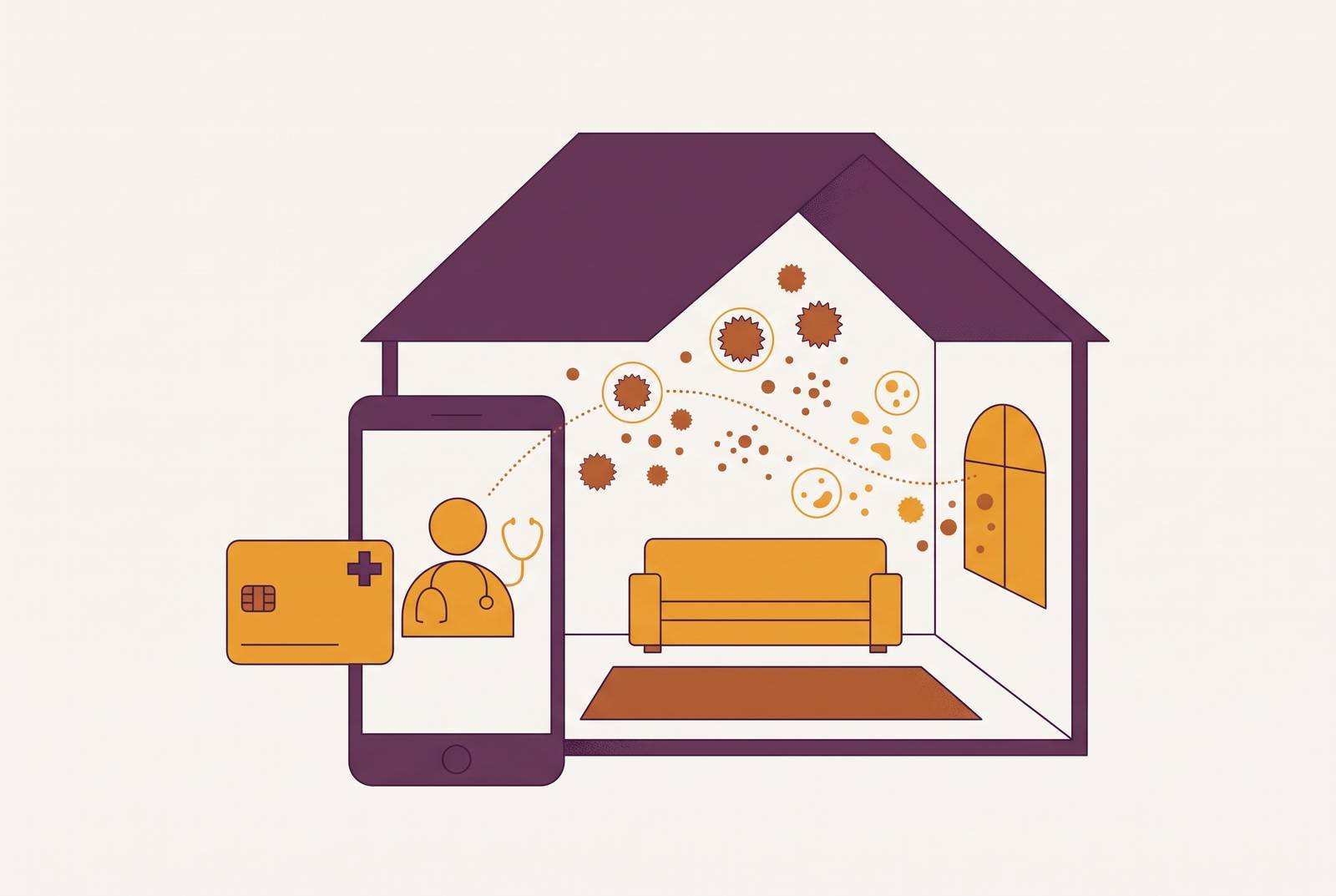
Telehealth allergy care with FSA/HSA-eligible immunotherapy can address indoor allergens through physician-guided, personalized sublingual drops. It is important to check that the test, virtual consultation, and prescribed treatment are all eligible. The best fit covers dust mites, mold, and pet dander, with a doctor overseeing care and clear prices.
Why home allergens are a year-round problem, not a seasonal one
“ Allergy season” suggests a problem that arrives with pollen and eventually leaves. Indoor allergens follow no such calendar. Dust mites, animal dander, fungi, and cockroaches drive perennial allergic rhinitis, the name for year-round nasal allergy symptoms. These triggers live in the places people return to every day, making exposure a domestic problem.
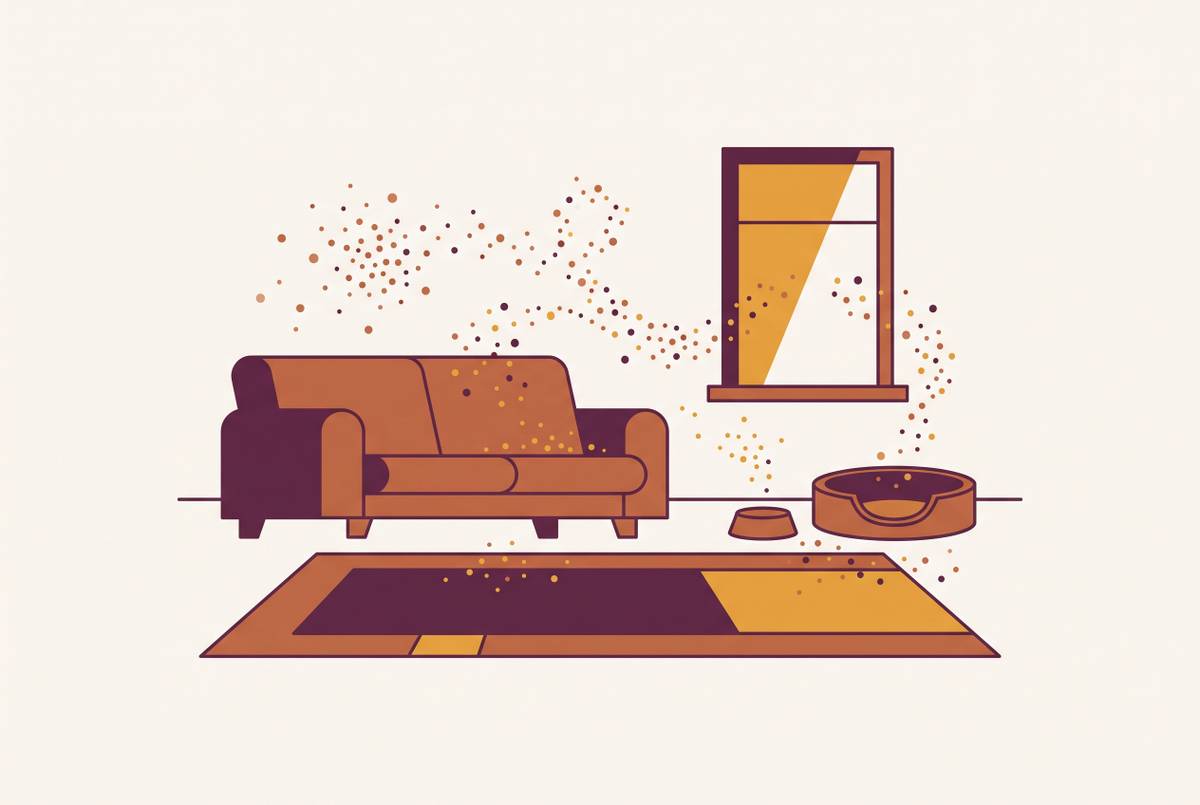
Dust mites are the most important indoor allergens worldwide. The species Dermatophagoides pteronyssinus and Dermatophagoides farinae are linked to allergic rhinitis, asthma, and atopic dermatitis. Pet allergens add another layer of exposure because the relevant proteins come from saliva, urine, and dander. Those proteins spread through the home, especially where animals sleep, and fur can also carry outdoor allergens inside.
A person may associate symptoms with one pet or one room, but the allergens need not remain where they originated. Mold and other indoor triggers further complicate that picture. When the trigger remains present through everyday life, managing each new bout of symptoms becomes an endless treadmill.
What chronic indoor allergen exposure actually does to the body beyond a runny nose
The effects of that exposure extend beyond sneezing. Allergy-related brain fog has several reinforcing drivers, including histamine’s effects on brain signaling, inflammation throughout the body, and disrupted sleep. Histamine is therefore part of more than the familiar nasal reaction. Its effects on signaling, including H3 receptor pathways, help explain why allergic disease can also affect how clearly a person feels able to think.
A blocked nose can force mouth breathing during sleep, fragmenting rest even when the total number of hours looks normal. Someone may spend enough time in bed yet still find it hard to concentrate the next day. Over time, chronic sleep loss through this pathway can affect mental health, making the consequences harder to recognize as part of an allergy problem.
That connection can be especially easy to miss in children. Some children with undiagnosed allergic disease are evaluated for ADHD when perennial exposure and its effects on sleep and cognition are the underlying problem. The effects of perennial exposure on sleep and cognition show why persistent symptoms deserve attention, particularly when untreated allergies can sustain low-grade inflammation for months or years. Lasting relief requires attention to the immune response producing the symptoms.
Why antihistamines and nasal sprays leave indoor allergen sufferers stuck in a loop
Antihistamines and nasal steroid sprays manage parts of the allergic reaction, but neither modifies the immune disease that produces it. Maintaining their benefit therefore requires continued use while the problem persists. With a seasonal trigger, that may feel like a temporary routine. With indoor allergens, the same routine can become indefinite.
Some medicines also complicate the symptoms people hope to relieve. First-generation antihistamines such as diphenhydramine cross the blood-brain barrier and can cause sedation that persists into the following day. That effect can make it even harder to think clearly when the allergy itself already makes this difficult. Generic montelukast, known as Singulair, has an FDA boxed warning for serious neuropsychiatric effects. The ICAR 2023 guidelines no longer recommend it as a first-line treatment.
Nasal steroid sprays have a different role and limitation. They can start to ease congestion quickly, but they must be used every day for days to reach their full anti-inflammatory effect. That benefit stops when use stops. Symptom relief is valuable, yet it is not evidence that the body has learned to tolerate the allergen.
How sublingual immunotherapy retrains the immune system instead of suppressing its reactions
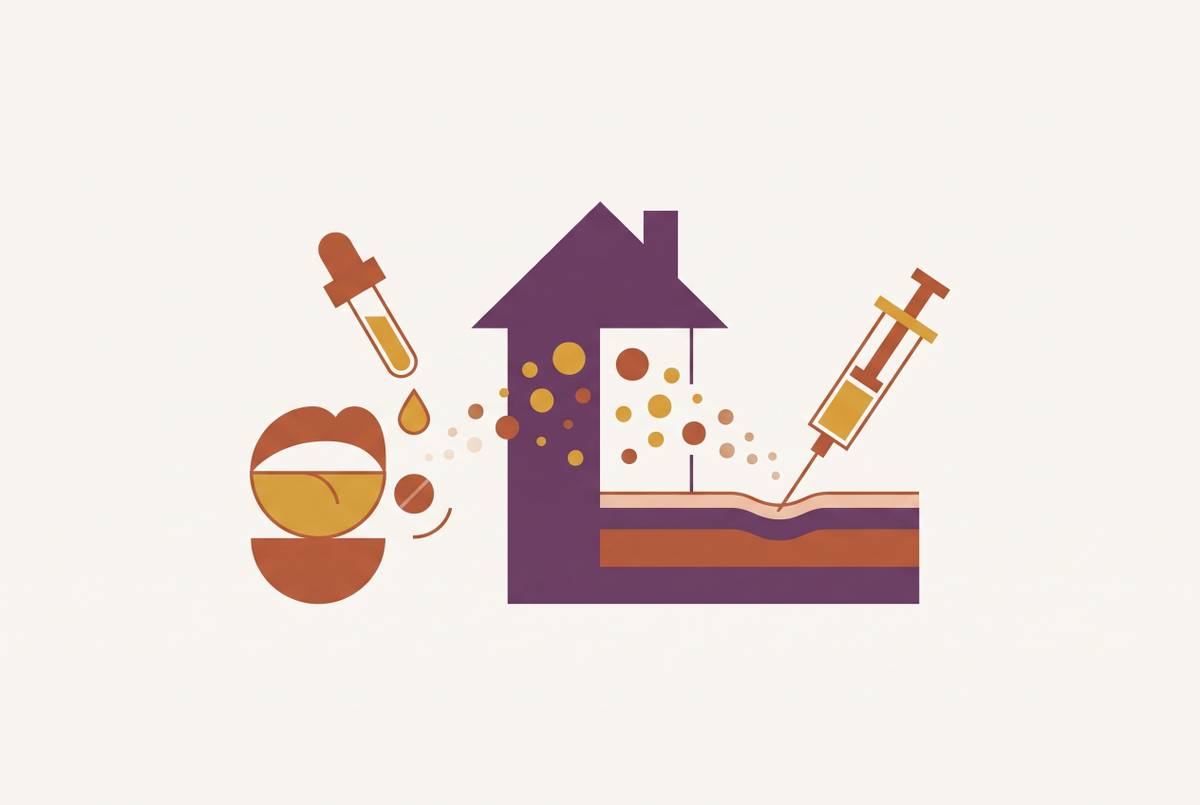
Allergen immunotherapy is the only established disease-modifying treatment for IgE-mediated allergic diseases. IgE is part of the immune response involved in these allergies, and immunotherapy aims to shift that response toward tolerance. Sublingual immunotherapy, or SLIT, delivers allergen extract under the tongue. Under the tongue, there are many closely packed tolerogenic dendritic cells, immune cells that help the body learn to tolerate an allergen.
The change takes time and more than a single dose. The 2026 WAO position paper provides an internationally harmonized, evidence-based framework supporting SLIT’s clinical value for seasonal and perennial allergens. Its relevance to indoor exposure is that treatment need not depend on the trigger disappearing. Instead, repeated dosing works toward changing how the immune system responds when exposure occurs.
A five-year real-world surveillance study published in 2025 found that a three-year course of house dust mite SLIT, or HDM-SLIT, outperformed symptomatic medication alone for allergic cough. The difference appeared during treatment and after discontinuation. Symptoms came back in the medication-only control group, while they stayed at bay in the SLIT group. That finding supports a disease-modifying effect, although a result for dust mite-related cough should not be treated as a promise for every allergen or symptom.
Daily adherence is part of this treatment model. SLIT begins under physician supervision and is then self-administered at home. Its lower risk of severe systemic reactions compared with injections supports home use, but that does not remove the need for medical oversight.
How sublingual drops compare to allergy shots for indoor allergens specifically
Shots and sublingual treatment are both forms of immunotherapy. A comparative analysis drawing from 46 randomized controlled trials found no significant difference in quality-of-life outcomes between subcutaneous immunotherapy, or SCIT, and SLIT using the Rhinoconjunctivitis Quality of Life Questionnaire. That finding supports taking both routes seriously. It does not show that every formulation works equally well for every indoor allergen.
Dust mite treatment provides an important qualification. A 2025 comparative study in Immunology notes that some authors find subcutaneous administration superior to sublingual treatment for HDM specifically. Both approaches are effective, but the right choice depends on symptom severity, lifestyle, and access.
The practical burden can be very different. Shots involve office visits once or twice a week during buildup, then monthly maintenance visits for three to five years. Demanding work schedules, transportation barriers, or the absence of a nearby allergist can make that schedule unrealistic. Home dosing avoids those repeated treatment visits, giving SLIT a practical advantage for people who could not sustain an office-based program.
Personalized drops also differ from fixed-allergen SLIT tablets. Custom drops can combine allergens in one bottle, which suits people sensitized to dust mites, mold, and pet dander. FDA approval of SLIT tablets should not be read as approval of custom compounded drops. Comparisons need to weigh the prescribed formulation as well as how it is given, since ease of use alone does not show how well it works.
What the real-world evidence shows when SLIT is delivered through a telehealth platform
The 2026 Frontiers cohort study examined personalized SLIT delivered through telemedicine during 2020–2025, with a median follow-up of 20 months. Clinically meaningful symptom improvement rose from under a third of patients at 12 months to nearly half at 24 months. Quality-of-life improvement reached the vast majority at 30–36 months. These outcomes make the time commitment concrete because the gains became more apparent as treatment continued.
Medication use also declined significantly over time. As treatment went on, patients used fewer types of medication, which suggests they felt better while also needing fewer kinds of medicine. Self-reported adherence was high, with most patients dosing consistently throughout each month. That reported consistency was stronger than typical adherence rates for in-office programs, although self-report is not the same as independently observed dosing.
The safety findings were reassuring without establishing zero risk. Adverse events were infrequent and predominantly mild, classified as Grade I, and the cohort reported no anaphylaxis or eosinophilic esophagitis. For patients with asthma, more time in treatment was linked to better asthma control, less inhaler use, and better quality of life. Those are associations from a retrospective cohort.
The study’s authors concluded that personalized SLIT through telemedicine supports the feasibility and scalability of this care model in routine practice. For a prospective patient, its value is evidence that sustained home treatment can work outside controlled trials. It does not show that every online service will have the same results. That makes the next questions practical ones about testing, physician interpretation, and what the full program costs after account eligibility is considered.
Can you use your HSA or FSA for at-home allergy testing?
An at-home finger-prick blood test can measure specific IgE sensitization. It provides a starting point for personalized treatment without requiring the blood collection itself to happen in an office. The medical interpretation comes next. A positive result identifies sensitization, which is not necessarily the same as an allergy that explains a person’s symptoms. A physician must interpret the result in its clinical context before turning it into a treatment plan.
Under IRS Code Section 213(d), care must have a medical purpose to be eligible. Diagnostic procedures, including laboratory tests such as IgE blood testing, qualify for FSA, HSA, or HRA reimbursement when ordered or performed by a licensed medical provider for a medical purpose. What counts is the test’s diagnostic purpose and its place in licensed medical care.
At-home sensitivity kits not recommended by a licensed provider, non-diagnostic wellness panels, DNA-based allergy tests marketed for lifestyle purposes, and alternative non-FDA-approved testing methods are not eligible. A product’s use of the word “allergy” does not establish reimbursement eligibility. For someone comparing costs, the distinction is between a medical diagnostic pathway and a standalone consumer test.
Eligible reimbursement can make that starting expense more manageable. It does not establish the price of the full treatment program or mean that every later charge qualifies automatically. The telehealth consultation is therefore more than a convenience attached to a kit. It is the step that connects sensitization, symptoms, and a medically guided decision about treatment.
What to look for in an HSA-eligible telehealth allergy service that covers indoor allergens
For a buyer comparing services, the first check is full-program eligibility. Confirm whether HSA/FSA eligibility extends to the diagnostic test, virtual consultation, and ongoing prescribed immunotherapy. Confirm that a licensed physician oversees the care pathway and that pricing is transparent across its parts. An eligible entry test alone does not answer whether an FSA can pay for the sublingual drops prescribed afterward.
Look for both dust mite species, D. pteronyssinus and D. farinae, as well as mold species and cat and dog dander at minimum. Personalized multi-allergen formulations are especially relevant when sensitization involves several indoor triggers. The purpose is not to include everything a test detects, but to connect the formulation to the physician’s interpretation of the patient’s actual allergy pattern.
A doctor should stay involved in care after the first prescription. Board-certified physician oversight, rather than nurse practitioner review alone, and the ability to adjust formulations as testing and clinical response evolve are markers of a rigorous program. The Frontiers cohort offers an outcome benchmark to discuss with a prospective service, including sustained symptom improvement, reduced medication use, adherence, and safety.
The final distinction is what the subscription actually provides. An online service that supplies symptom medicines is not equivalent to one delivering physician-guided, personalized immunotherapy. HSA/FSA eligibility can make care easier to get, but its medical value comes from treating the indoor allergens that cause symptoms under a plan that a doctor oversees over time.
Sources
- Efficacy of Subcutaneous, Sublingual and Oral Immunotherapy for Allergens: A Comparative Study - Lisiecka - 2025 - Immunology - Wiley Online Library
- Clinical efficacy of sublingual immunotherapy for allergic rhinitis and atopic cough: 5-year real-world surveillance - ScienceDirect
- Frontiers
- Efficacy and safety of Sublingual immunotherapy for allergic rhinitis: an overview of systematic reviews and meta analyses
- World Allergy Organization Sublingual Immunotherapy Position Paper: 2026 update - World Allergy Organization Journal
- If you feel cranky and tired, you may have spring allergy fatigue