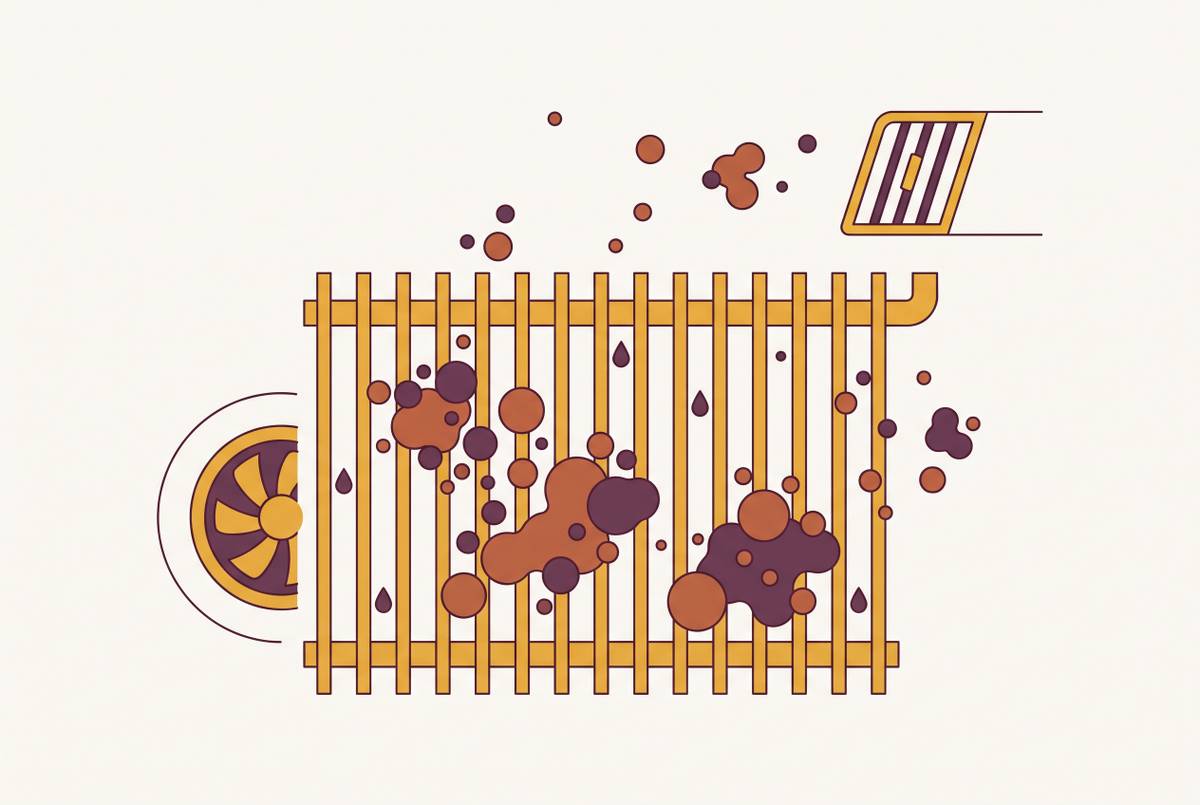
Pet Dander Accumulation in Vehicles Used for Animal Transport
Vehicles used for pet transport trap allergens in ways that persist long after cleaning.

Vehicles used for animal transport can become lasting reservoirs of pet dander, exposing occupants even when no animal is present. Understanding how allergens accumulate in a cabin, persist after cleaning, and trigger an immune response explains why relief may require more than managing each ride. Environmental controls reduce exposure, but lasting treatment also has to address the sensitivity that makes that exposure a problem.
How vehicles become concentrated allergen environments during animal transport
Most people think allergen exposure ends when the animal leaves the car. In an enclosed cabin, particles can keep moving through the same breathing zone long after the animal has left. Its small volume and limited air exchange allow dander to concentrate rather than disperse as it would in an open or well-ventilated space. During animal transport, the vehicle is therefore more than a neutral space between destinations. It becomes an accumulation chamber.
The material that matters is not simply the visible fur. Anaphylaxis UK’s Sept 2025 factsheet explains that animal allergies involve proteins in saliva, urine or dander, which consists of dead skin cells shed as flakes of skin. Dander particles vary widely in size, and a meaningful fraction are 2.5 microns or smaller. These small particles can remain suspended, move through ventilation systems and penetrate deep into the lungs.
Cat allergen (Fel d 1) and dog allergen (Can f 1) have been detected at high levels in sampled cars, including cars without an animal present at sampling. Once those proteins have accumulated, the cabin itself can be the source of exposure.
Why dander lingers in vehicle interiors long after the animal is gone
Regular cleaning seems like a reasonable answer to this problem. The difficulty is that the visible surface is only part of the interior where allergens settle. Dander proteins are adhesive and resilient, becoming embedded in upholstery, carpet backing and HVAC ducting. In those places, they can resist casual cleaning and remain at allergenic concentrations for months.
Fabric seats and cloth floor mats trap more dander than hard or leather surfaces do. Wiping the dashboard and shaking the mats may move particles on the surface while leaving proteins deeper in the fibers. The ventilation system then adds another route back to exposure. Recirculated cabin air can pull settled particles into suspension with fan cycles, bringing material from earlier trips back into occupants’ breathing space.
The consequence extends beyond the person who transported the animal. A non-pet-owner can encounter allergens in a rideshare, a colleague’s car or a rescue volunteer van without touching an animal. Rideshare drivers, veterinary transport workers, rescue volunteers and people who share vehicles with pet owners may come into contact with these hidden allergens again and again. Ordinary maintenance helps, but it does not necessarily remove the source they cannot see.
Who is at risk and why the immune response is disproportionate to what seems like a small exposure
Whether the same cabin leaves someone comfortable or congested depends partly on whether their immune system has become sensitized to the animal proteins present. Anaphylaxis UK’s Sept 2025 factsheet says that anyone can develop an animal allergy, even someone who has never had one before. Symptoms may first emerge only after repeated exposure.
People with hay fever, asthma or other allergic conditions face an elevated risk of animal allergy and more severe reactions. In a sensitized person, the immune system identifies dander proteins as threats and releases histamine. The reaction does not depend on how much fur is visible. Even low concentrations remaining in a cleaned car can be enough to cause symptoms.
For someone with both asthma and an animal allergy, exposure can also trigger an asthma attack shortly afterward. Anaphylaxis UK describes anaphylaxis from animal dander as very rare, so it should not be mistaken for the usual outcome. Recurring symptoms may come from exposure in the vehicle without an obvious encounter with an animal.
The symptom cascade that reaches well beyond sneezing
A reaction that begins during a ride can continue after parking. The first signs are often sneezing, a runny or blocked nose, itchy or watery eyes, postnasal drip, or red or swollen eyes. These familiar symptoms can seem like discomfort that will soon pass. But nasal obstruction can set off a longer chain of effects, especially when the same exposure recurs daily.
When swelling blocks the nasal passages, it becomes hard to breathe through the nose. Congestion that lasts leads to more mouth breathing, especially during sleep, and makes sleep less restful. After poor sleep, a person may have less energy the next day and find it harder to concentrate and manage their emotions. Chronic congestion and mouth breathing can also cause sinus pressure, headaches, snoring and a lasting need to clear the throat.
Histamine released during an allergic reaction can also affect concentration and memory, adding to the sense of mental cloudiness. Together, immune activation and disrupted sleep can reduce both personal and professional function. For rescue workers, dog trainers and rideshare drivers who allow pets, the trigger may return before those effects have settled. The reason to address vehicle dander is therefore not simply to make the next journey more comfortable, but to interrupt a recurring burden on daily life.
What physical mitigation inside the vehicle can and cannot accomplish
Reducing the allergen load is worthwhile even when complete removal is not realistic. The practical aim is to reduce both the material held in the interior and the particles circulating through the cabin. Hard or leather seat surfaces accumulate less embedded dander than fabric upholstery. For vehicles that often carry animals, the choice of seat surface matters over the long term as well as for how the seats look.
Ventilation also needs attention because it can recirculate material left by earlier trips. Running the HVAC system on fresh-air rather than recirculation mode during and after transport reduces the re-suspension of settled particles. Cabin air filters rated for fine particles can also help keep those particles out of the air. Portable HEPA air purifiers made for vehicle cabins can also lower the number of particles in the air, though how well they work depends on the cabin volume and the filter’s CADR rating for that space.
These measures can lower the frequency and intensity of reactions by reducing exposure. Their limit is that they do not alter the occupant’s underlying sensitivity. A sensitized person may still react to the smaller amount that remains, and repeated low-level exposure can sustain sensitization. Environmental controls manage the cabin, but they cannot by themselves change the immune response to it.
Why symptom medications offer only ride-by-ride relief for repeated vehicle exposure
Antihistamines and nasal sprays address another part of the problem by treating the effects of an allergic reaction. Yet managing the downstream chemistry is different from changing the immune system’s recognition of dander. Continued symptom control depends on continued medication.
The choice of antihistamine also matters for drivers. First-generation antihistamines containing ingredients such as diphenhydramine cause drowsiness, creating a particular safety concern behind the wheel. Second-generation formulations such as loratadine and cetirizine are significantly less sedating, although cetirizine can still cause some drowsiness. Neither generation changes the underlying allergy.
Nasal products have their own distinctions, and the rebound warning applies specifically to decongestant sprays. Used for more than three days, these can cause rebound congestion, an awkward fit for continuous exposure. The broader limitation is that symptom medicines’ benefits do not amount to lasting immune change. When treatment stops, the sensitivity remains and symptoms can return with exposure.
How immunotherapy changes the immune response rather than suppressing its symptoms
Immunotherapy addresses a different question, namely whether the immune system can become less reactive to the allergen itself. It is the only treatment category described in the clinical literature as potentially disease-modifying for IgE-mediated respiratory allergy. That term matters because it distinguishes changing the allergic response from temporarily blocking its effects. The aim is not simply to make histamine less troublesome after a reaction begins.
Treatment gives the person the relevant allergen, with control over both the route and the dose. This engages both antibody-based and cellular immune pathways, gradually changing how the immune system responds. Allergen-specific IgG4 increases, while allergen-specific IgE can rise briefly at first before declining later. These changes support a gradual reduction in the overreaction that makes dander exposure difficult to tolerate.
The word “potentially” is important because disease modification is a treatment aim whose results can vary from person to person. Even so, the mechanism addresses the part of the problem that cabin cleaning and symptom medicines leave untouched. Exposure in a vehicle often happens again and again, can be expected and is hard to stop completely. When the environment cannot be made allergen-free, reducing the immune system’s sensitivity is a logical way to address the remaining problem.
Sublingual drops versus allergy shots for people with ongoing animal transport exposure
Both subcutaneous immunotherapy, known as allergy shots or SCIT, and sublingual immunotherapy, known as SLIT, aim to modify the immune response over time. They differ in delivery, safety profile and the demands they place on a person’s schedule. Shots mean going to a clinic and staying after each injection so staff can watch for a reaction. Daily sublingual drops taken at home spare people those repeated clinic visits, which can make a big difference to those who transport animals for work.
Indirect clinical comparisons have shown a small advantage for SCIT in reducing allergic rhinitis symptom scores, but that advantage has not been consistently significant. Direct head-to-head trials have generally not found statistically significant differences.
There is also an important distinction between SLIT tablets and custom drops. FDA-acknowledged SLIT tablets exist for specific allergens including grass, ragweed and dust mites. Multi-allergen custom SLIT drops are used off-label and lack formal guideline endorsement from major U.S. allergy societies. Someone reacting to more than one animal species or to several allergen types in a vehicle needs that distinction made clear. At-home delivery may fit a demanding schedule better, but its convenience should be considered with the evidence, safety profile and status of the proposed formulation.
Getting tested and starting treatment when vehicle exposure is the suspected trigger
Identifying which animal proteins are actually causing sensitization comes first. Symptoms linked to a vehicle are a useful clue, but they do not by themselves establish which allergen is responsible. Treatment, including an immunotherapy formulation, needs to match the sensitizing allergens.
At-home tests can identify sensitivities, but they are not equivalent to a full clinical diagnosis. Their results are best treated as a starting point and interpreted by a physician together with the symptom history. Telehealth allergy care can make that first assessment more accessible through a virtual consultation, an at-home test and a personalized treatment plan. For a rideshare driver or rescue worker with limited room for appointments, beginning the process need not require taking time off for an initial clinic visit.
There is a practical reason not to leave recurring symptoms unexplained indefinitely. Immunotherapy offers a defined treatment course with an endpoint rather than indefinite symptom suppression, although the decision depends on the diagnosis and treatment fit. If vehicle exposure appears to be the trigger, seeking an assessment is a way to move from enduring each ride toward treating its cause.