Your Building May Be the Lab Result Your Doctor Never Ordered
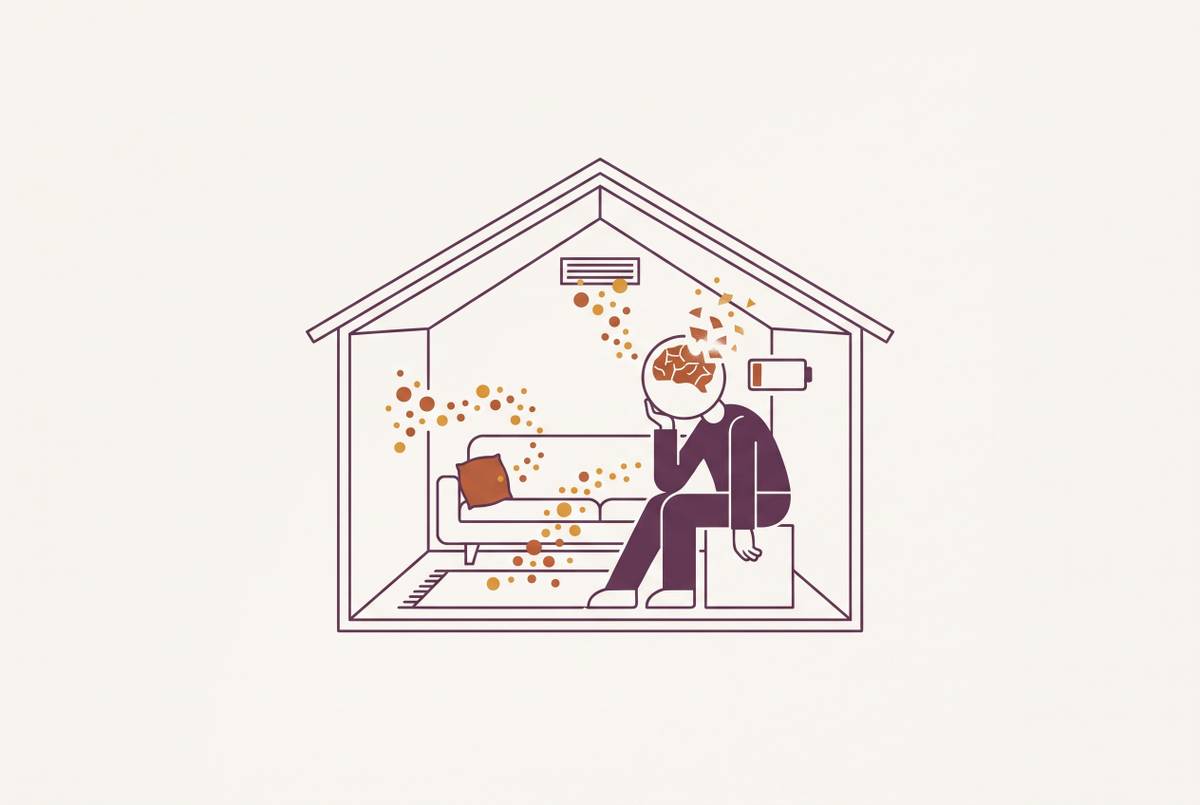
Persistent indoor allergies may be causing fatigue and brain fog your doctor hasn't connected.
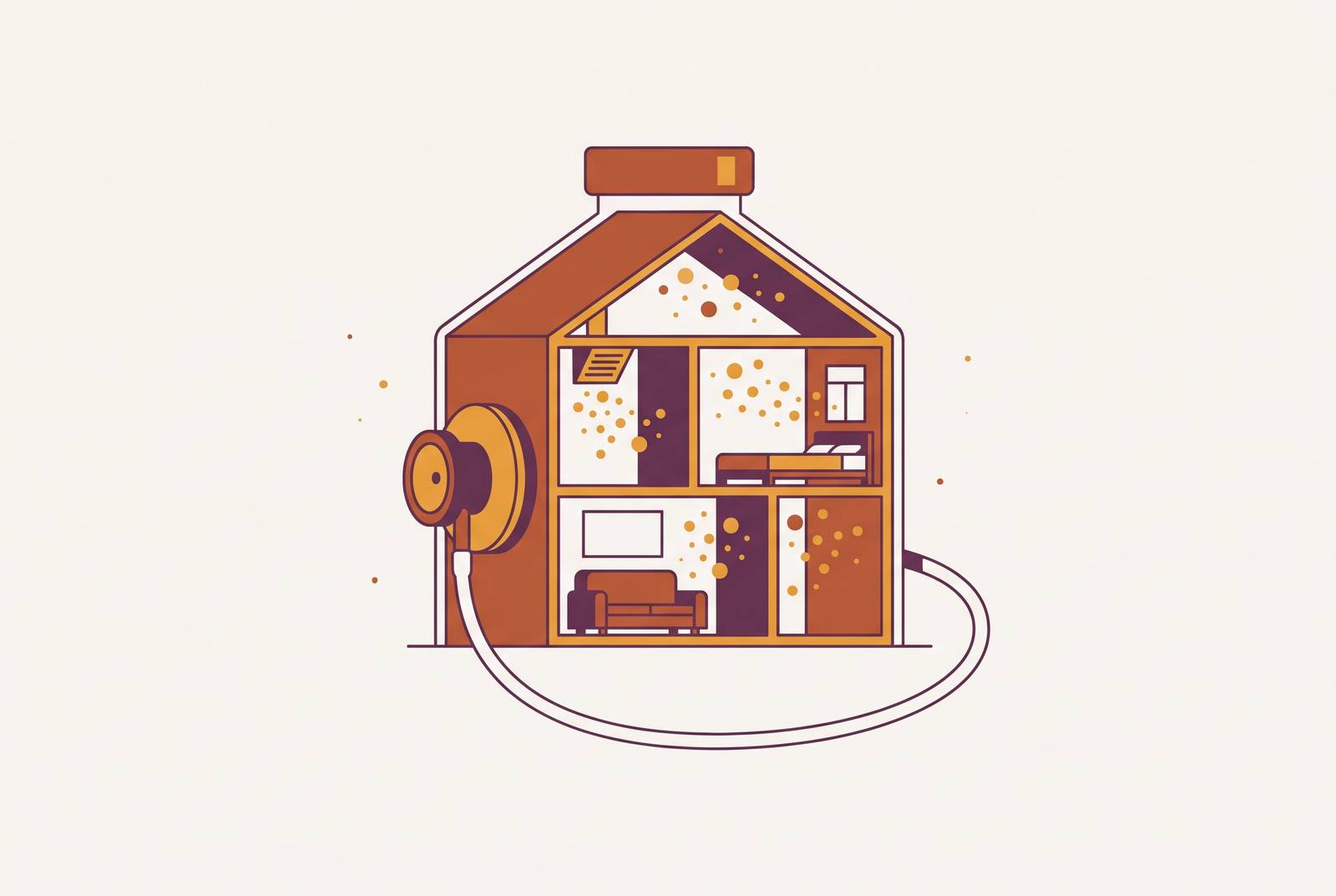
Indoor allergies that have gone undiagnosed can add to chronic fatigue, brain fog, and poor sleep by causing inflammation and persistent nasal obstruction. Finding that connection takes more than a positive allergy test. It requires matching symptoms and allergen-specific IgE results to exposure in the places you live and work, making your building part of the diagnostic investigation.
Why your building may explain symptoms your doctor hasn't solved
“It’s just seasonal” is a familiar explanation for congestion. But what if the symptoms never take a season off? Tree pollen peaks in spring, grass pollen in late spring and summer, and ragweed in late summer and fall. Dust mites, mold, pet dander, and cockroach allergens can create a perennial burden, with exposure continuing inside your own walls.
That mismatch between the explanation and the calendar deserves attention. A seasonal trigger may explain why symptoms flare up but not why they linger. If fatigue and congestion persist through winter, outdoor pollen alone may not account for the pattern. Yet at a routine visit, doctors generally do not ask about home humidity, how people ventilate their homes, or pet exposure. The place where exposure repeats can remain outside the clinical picture.
What dust mites, mold, pet dander, and indoor pollen actually need to thrive in a home
Dust mites thrive in warmth and high humidity, and most climate-controlled homes remain mite-friendly for much of the year. Low humidity makes their survival harder. Mold has a different requirement, growing wherever moisture accumulates, including basements, kitchens, and bathrooms. Its airborne spores can trigger allergic responses when inhaled.
Pet exposure is not simply a question of hair. The relevant proteins occur in saliva, dander, which consists of dead skin flakes, and urine. Even hairless breeds expose people to these proteins. Dander can also persist on surfaces and in HVAC systems long after a pet leaves, so the current household does not always tell the whole story.
Pollen, meanwhile, does not need to grow indoors to accumulate there. Shoes, clothing, and pets bring it inside as one pollen season follows another. Fresh air is not always cleaner air. Opening windows on high-pollen days can increase the indoor load rather than clear it, adding a seasonal outdoor trigger to a home’s existing perennial burden.
Can undiagnosed allergies cause brain fog, fatigue, and poor sleep?
Allergic inflammation can cause a low-grade response throughout the body that drains energy. At the same time, swollen nasal tissues restrict airflow, encouraging mouth breathing and fragmenting sleep. These are overlapping routes to feeling exhausted. Someone who blames stress, aging, or poor sleep habits may never link trouble thinking during the day with congestion at night.
Mouth breathing during sleep can bring snoring and awakenings. Allergies do not cause obstructive sleep apnea, but untreated nasal inflammation can worsen symptoms in people who already snore or struggle with nighttime breathing. The consequences can extend beyond sleep itself. Chronic mouth breathing causes dry mouth, which raises the risk of cavities and gum disease, although that connection may not be traced back to allergic rhinitis.
Children can have a particularly difficult-to-recognize symptom pattern. Some are evaluated for ADHD when undiagnosed allergic disease is producing congestion, fatigue, and trouble concentrating. Sinus inflammation that does not go away can also lead to chronic sinus infections, facial pressure, and headaches. Those problems may lead people to see different specialists while the exposure they share goes unaddressed. None of these symptoms alone establishes allergy as the cause, but their overlap calls for investigating exposure history.
Why a standard doctor's visit is structurally unlikely to find the indoor culprit
The gap is in how care is organized. A primary care encounter is not designed to inventory the patient’s domestic environment, even when it identifies allergic rhinitis. Naming the condition does not necessarily reveal which allergen drives it. Nor does it establish whether the dominant exposure occurs seasonally outdoors or throughout the year indoors.
Bloodwork and imaging do not substitute for questions about humidity, pet exposure, or basement water damage. Even specific IgE blood tests and skin prick tests need to be read with that context in mind. Without it, a clinician has less basis for connecting a test result to the patient’s daily experience.
This explains how someone can receive symptom-management prescriptions for years without the trigger being identified. Antihistamines and sprays address the allergic response, while the circumstances producing repeated exposure may go unexplored. To find what drives the exposure, the doctor and patient need to discuss the building’s history.
What allergen-specific IgE testing actually tells you about your indoor environment
Allergen-specific IgE testing identifies a person’s pattern of sensitization. That pattern can include house dust mite, mold species, animal danders, and pollens that accumulate indoors. It gives the investigation named candidates rather than a vague suspicion that something at home is wrong. This can help when symptoms last all year and give no clear clue tied to a season.
A positive result does not, by itself, establish a diagnosis, show that the tested allergen explains the symptoms or establish where exposure occurs. A physician must look at the panel alongside the history of symptoms, where the person lives, and when and where exposure happens.
At-home fingerstick IgE kits with certified laboratory testing offer a practical route for people who have never been tested or whose previous panels covered only a few seasonal allergens. Kits can be ordered and mailed without a clinic visit. Their value lies in the clinical interpretation that follows. Because immunotherapy depends on treating the right allergens, incomplete testing can leave a treatment plan poorly matched to the exposure.
Why symptom-masking medications cannot resolve an ongoing indoor exposure
Medication cannot remove the source of continuing exposure. Antihistamines and nasal sprays can ease its downstream effects, but they do not reduce a building’s allergen load or retrain the immune system to tolerate it. Someone exposed all year may need to keep taking treatment to get relief. That limitation does not make symptom relief worthless.
How much relief can these medicines offer? The reported treatment effects for antihistamines and intranasal corticosteroids show modest relative reductions in total nasal symptoms compared with placebo. Intranasal corticosteroids have also demonstrated efficacy for allergic eye symptoms.
Side effects can complicate the picture further. Corticosteroid sprays can cause throat irritation, headaches, nasal irritation, and nosebleeds. Older sedating antihistamines such as diphenhydramine cross the blood-brain barrier and can add daytime sedation to existing cognitive difficulties. Montelukast has an FDA boxed warning for serious neuropsychiatric effects, and ICAR 2023 guidelines no longer recommend it as first-line treatment. The central limitation remains broader than any one drug’s risks, because medication-only care leaves both the exposure source and the underlying allergic sensitivity in place.
How sublingual immunotherapy addresses indoor allergens at the immune level
Allergen immunotherapy takes a different approach to that sensitivity. It is a potentially disease-modifying treatment for IgE-mediated respiratory allergy. Sublingual immunotherapy, or SLIT, places minute allergen doses under the tongue. Repeated dosing engages the oral mucosa’s tolerance-promoting immune pathways, shifting the response away from IgE-driven reactivity.
This is a process of years. Its relevance to indoor exposure is that treatment aims to change the response to allergens a person repeatedly encounters. It does not clean the building or eliminate its allergen sources.
The 2026 World Allergy Organization Sublingual Immunotherapy Position Paper rates the evidence for efficacy very strongly for house dust mite and grass pollen. The paper also documents strong expert consensus that SLIT can prevent or reduce asthma onset in children and adolescents with allergic rhinitis compared with no immunotherapy. Treatment starts under a physician’s supervision, and patients then take it themselves at home each day, keeping it under the tongue for the recommended contact time.
What the real-world evidence shows about SLIT outcomes over time
Trials test treatment under set conditions, while real-world evidence helps show how patients do when they use it in everyday life. Chet Tharpe and colleagues’ 2026 retrospective longitudinal cohort study examined personalized SLIT delivered through telemedicine. The study reported sustained symptom improvement, reduced medication use, and high adherence during multi-year follow-up.
Medication use fell significantly, and the longer patients stayed in treatment, the fewer categories of medication they used. A large majority reported quality-of-life improvement at 12–18 months, and an even larger majority did so at 30–36 months. That pattern is consistent with a treatment whose intended benefit builds through repeated dosing.
The study also reported infrequent, predominantly mild adverse events. No anaphylaxis was reported in the cohort, which is not the same as saying the treatment has no risk. The findings fit SLIT’s lower systemic reaction risk compared with subcutaneous injections. Because this was a retrospective cohort rather than a controlled trial, it supports the picture of improvement in practice without establishing that every patient will achieve the same result.
How telemedicine closes the access gap that kept indoor allergen treatment out of reach
A treatment can work and still be difficult to sustain. Going to a clinic for injections every week has been hard to fit into the schedules of people who are busy or live far from a clinic. For a perennial allergy, that logistical problem does not disappear when pollen season ends.
Telemedicine changes where much of that work happens. Virtual consultation, at-home IgE testing, and daily self-administration can connect diagnosis with ongoing treatment without weekly clinic visits. The cohort reported more than 90% of participants taking treatment on most days of the month. That finding supports the feasibility of sustained dosing when treatment comes to the patient.
Personalization still depends on identifying clinically relevant allergens and matching them to the exposure history. A formulation that targets the patient’s house dust mite sensitivity, the mold species that affect them, or specific pet dander may fit that pattern better than a fixed-allergen product. The benefit of remote access is therefore not bypassing clinical judgment, but making testing, interpretation, and sustained treatment easier to connect.
Practical steps for auditing your indoor environment and deciding whether to get tested
Check whether humidity stays high enough for mites to thrive, whether basements or bathrooms have visible or suspected water damage, and whether pets spend time where people sleep. Then compare those conditions with the symptom calendar. Symptoms that remain as bad or worse in winter, when time indoors is highest, strengthen the reason to investigate perennial exposure.
Daily habits belong in that picture as well. Consider whether opening windows on high-pollen days adds outdoor allergens to an already troublesome indoor environment. The purpose of inspecting a room is to identify plausible exposures and environmental changes that may help in parallel with treatment.
The next step is to discuss that pattern with a physician and consider allergen-specific IgE testing. An at-home fingerstick panel can provide a sensitization map, but the results still need to be interpreted against symptoms and exposure. If the findings support a clinically relevant indoor allergy, they can guide a personalized treatment discussion.
Acting earlier offers a forward-looking benefit because immunotherapy’s effects accumulate. The right treatment may lower the risk of further sensitization and of allergic rhinitis progressing to asthma, and symptoms may stay improved after the course is complete.
Sources
- Frontiers
- World Allergy Organization Sublingual Immunotherapy Position Paper: 2026 update - World Allergy Organization Journal
- Real-world outcomes of personalized sublingual immunotherapy for environmental allergies delivered through a telemedicine platform: a retrospective longitudinal cohort study - PubMed