Home and Workplace Allergen Audits as the First Diagnostic Step for Persistent Tiredness and Mental Fog
Persistent fatigue and brain fog can signal hidden allergen exposure worth investigating first.

Undiagnosed allergies can contribute to persistent tiredness, brain fog, and poor sleep through inflammation and disrupted rest. A systematic home and workplace allergen audit is a useful first investigative step, especially when symptoms change by room, building, or day of the week. It can identify exposures for testing, but it does not replace medical evaluation for other causes of fatigue.
Why fatigue and brain fog without a clear cause deserve a different diagnostic starting point
Someone changes their diet, cuts caffeine, and goes to bed earlier, but still wakes up worn out. It is still hard to concentrate, and everyday work takes more effort than it should. Stress, sleep habits, or mood are often given as the reasons. Those deserve attention, but they leave a question unanswered. Could something in the bedroom or workplace be contributing to the problem?
Allergy is easy to overlook when tiredness and mental fog are more noticeable than sneezing or itching. Iron deficiency, thyroid dysfunction, and vitamin D deficiency can produce overlapping symptoms, so investigating exposure should complement their evaluation. The useful clue is a pattern. Symptoms that worsen in particular rooms or ease during weekends away from the office give the investigation a location.
Can undiagnosed allergies cause fatigue and an inability to think clearly?
Allergic inflammation, changes in alertness, and disrupted sleep can reinforce one another. These are biological routes through which ongoing exposure can affect how a person feels and functions. Inflammatory cytokines are part of this picture, while poor sleep can increase their output. The effects can therefore become a loop. That explains why allergy should be investigated as a possible cause of brain fog.
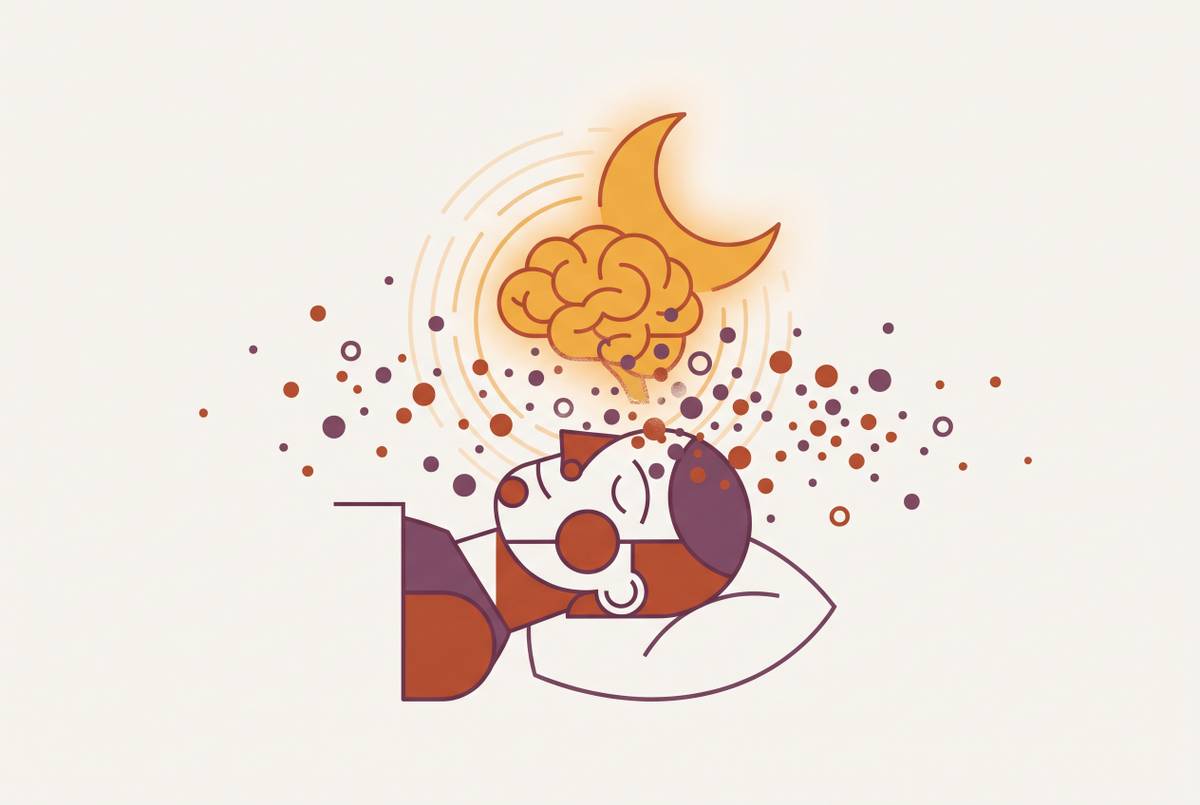
Histamine also has a role beyond nasal symptoms. It functions as a neurotransmitter involved in alertness and sleep cycles, so disruptions associated with allergic inflammation can affect energy and mental sharpness. The difficulty may feel less like ordinary sleepiness than an inability to shift into gear. Attention, working memory, and mental stamina can all suffer. A full night in bed does not necessarily settle the question, because time in bed and restorative sleep are not the same thing.
A blocked nose makes mouth breathing more likely at night, which can break up sleep and cut down on deep sleep. Mouth breathing is also linked with snoring and reduced overnight oxygenation. Duly Health and Care identifies poor sleep combined with ongoing congestion as a driver of allergy-related fatigue. As this disruption continues, morning grogginess can extend into the day, making it harder to find the energy to investigate the exposure itself.
Why indoor allergens are a more likely cause of chronic symptoms than seasonal outdoor pollen
Tree pollen in spring, grass in late spring and summer, and ragweed in late summer and fall create recognizable calendar patterns. Outdoor mold spores after rainfall can add to those symptoms. When symptoms never fully remit, however, continuous indoor exposure deserves closer attention. The relevant environment may be the room where someone sleeps.
Dust mites, pet dander, mold, and cockroach debris are the main indoor suspects. Dust mites thrive in mattresses, bedding, and carpets, making morning congestion a useful clue to overnight exposure. Pet allergens embed in upholstery and carpets and persist after an animal leaves the room. Cat allergens are sticky, and their smaller particle size helps them remain airborne longer than dog dander. No breed is fully allergen-free, so a pet’s breed cannot rule out that exposure.
Mold follows a different pattern because it grows where there is moisture. Mold can grow in bathrooms, basements, and spaces under sinks, while poor ventilation can leave people exposed to airborne spores again and again. Indoor sources need not be confined to home. Dust that has built up in an office, mold, or poor filtration may keep someone exposed through the working day. Looking only at the bedroom could miss why symptoms come back each afternoon.
How to conduct a room-by-room allergen audit of the home
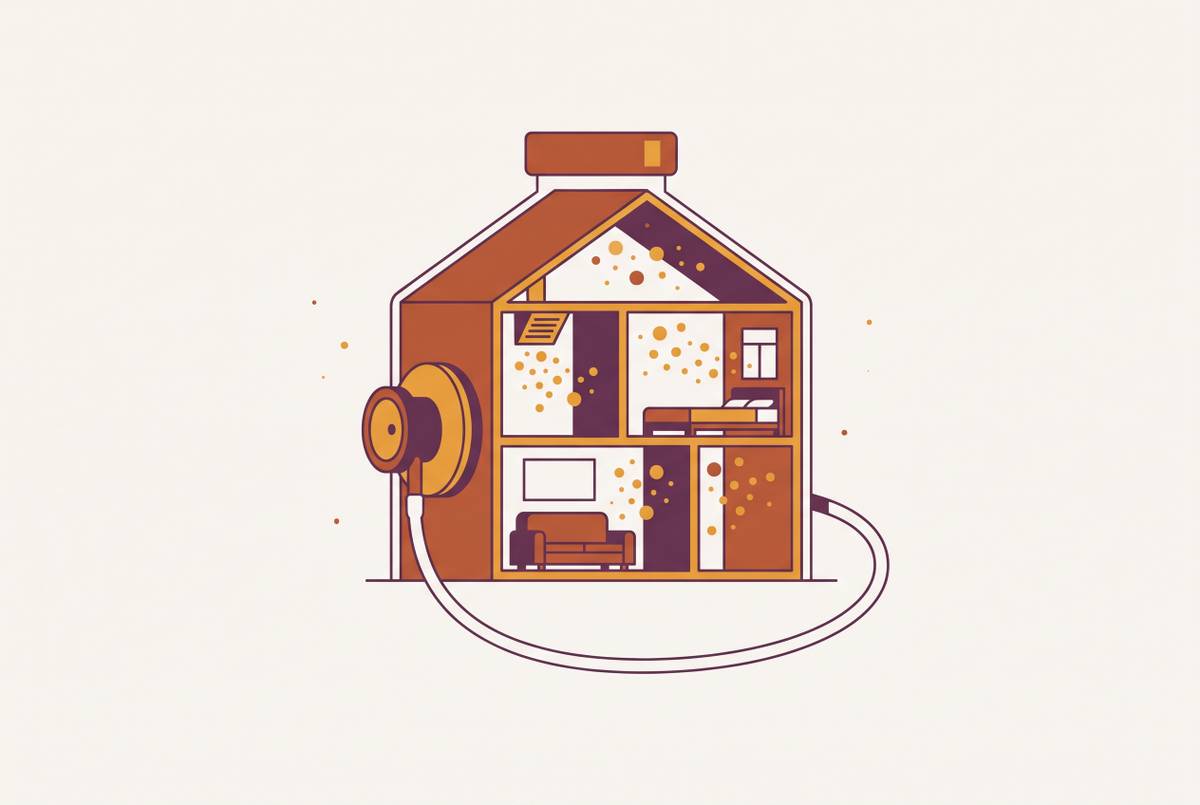
To turn those exposure patterns into something useful, begin with observation. The audit is a record of conditions that support or retain allergens. For each room, document flooring, pet access, visible mold, moisture, filtration, and any related symptom pattern. Measure humidity where possible. The aim is to identify plausible sources.
Start in the bedroom, where exposure continues during sleep. Record whether mattresses, pillows, and box springs have allergen-proof covers, how often bedding is washed, and whether pets sleep on or near the bed. Note where there are carpets and any signs that moisture has damaged them. Covers and weekly hot-water washing are dust-mite controls, while bedroom HEPA filtration can reduce airborne exposure. Recording what is already in place helps distinguish an unaddressed source from one that has received attention.
Bathrooms and kitchens call for a moisture-focused inspection. Look at grout, under-sink cabinets, exhaust fan covers, and window frames for visible mold or persistent dampness. Check whether exhaust fans work and whether there is too little ventilation. Basements deserve attention for the same reason. A damp area is a clue to exposure, but how it looks alone cannot show whether it is causing fatigue.
In living areas, record upholstered furniture, carpeting, fabric window coverings, and where pets spend time. These surfaces can retain dust and dander. Weekly vacuuming with a HEPA-filter vacuum is a control measure intended to capture trapped allergens rather than redistribute them, while hard window coverings are easier to keep free of accumulated dust. The audit should record these differences without turning into a list of things to buy. What counts is how the room’s conditions align with symptoms.
Record filter-changing habits and any known dust or mold accumulation in ducts. Forced-air systems can carry allergens from where they started to other parts of the building. Also note whether windows stay open when outdoor allergen levels are high, letting pollen in. Keep sleep quality in the same record so that the physical inspection remains connected to the problem being investigated.
How to audit the workplace for allergen exposures that mirror or compound home triggers
The workplace deserves a parallel record, especially when symptoms build during the workweek. Does concentration improve on weekends or vacation, then deteriorate after returning to the same building? That pattern raises suspicion without proving an occupational cause. Record the time symptoms begin, where they become strongest, and whether another part of the building feels different. This comparison can reveal an exposure that a home-only audit would miss.
Look for carpeting, fabric seating, visible dust, dampness, condensation, and ventilation problems. Older buildings may harbor mold in walls, ceilings, or ductwork, while poorly maintained HVAC systems can recirculate allergens. A pet-free office is not necessarily dander-free. People can bring pet allergens to work on their clothing, and the allergens can stay in fabric surfaces. The record should also include piles of paper, items made of fabric on desks, and plants near damp windows.
Outdoor surroundings can complicate the picture further. Landscaping, construction, and high-traffic areas may introduce pollen or particulate matter through ventilation intakes. Construction and industrial settings warrant particular attention to occupational exposure. Particles can include both allergens and other matter, so the record should describe the conditions. The useful output is a repeatable relationship between setting and symptoms.
How exposure patterns identified in the audit translate into testable allergen suspects
An audit generates suspects. Symptoms that are worst on waking may point to dust mites or mold in the bedroom. Symptoms that worsen in a particular workplace may direct attention toward mold, dust, or pet dander transported on clothing. A seasonal increase can suggest pollen layered over an indoor exposure. These distinctions make a clinical conversation more focused than a general report of feeling tired everywhere.
The American Academy of Allergy, Asthma and Immunology recommends working with a board-certified allergist who can use skin-prick or blood testing to identify specific triggers. The exposure record gives those results context. Testing can establish sensitization, but a positive result alone does not prove that an allergen explains every symptom. The clinician must connect the test with the history and relevant exposure. When those findings align, the next question becomes how to reduce exposure and treat the confirmed allergy.
Why symptom-masking medications make the audit-then-treat sequence more important, not less
Antihistamines can relieve allergy symptoms, but some can also make clear thinking harder. First-generation agents such as diphenhydramine cross the blood-brain barrier and block histamine receptors involved in alertness. They also block muscarinic acetylcholine receptors, affecting processes involved in focus and memory. That creates a difficult trade-off for someone already foggy. Relief from sneezing may arrive with additional drowsiness or cognitive slowing.
Newer antihistamines do not all share the same risk. Cognitive effects vary across second-generation agents, so the category should not be treated as uniformly sedating or entirely free of that possibility. These medicines have legitimate uses for symptom relief. The practical distinction is between controlling a reaction and changing the underlying sensitization.
Nasal corticosteroid sprays address inflammation more directly. Duly Health and Care describes them as a first-line treatment for moderate-to-severe allergic rhinitis, but they do not modify sensitization. Treating symptoms may still help people sleep better and get through the day more easily. Further investigation is needed because repeated exposure can continue while symptoms are being controlled. A longer-term plan needs to account for both.
How sublingual immunotherapy addresses the root cause the audit reveals
When testing and the history of exposure point to the same allergen, allergen immunotherapy is a treatment to discuss. Unlike medicines that ease symptoms, it aims to change how the immune system responds to that allergen. Sublingual immunotherapy, or SLIT, is one form of that approach. Allergy shots are another form of immunotherapy that treats sensitization, while SLIT’s practical appeal is the possibility of reducing the burden of repeated office visits.
That difference can be important for someone already exhausted. Allergy shots require injections in the office every week during build-up, followed by maintenance visits and a wait under observation after each injection because of the rare risk of anaphylaxis. SLIT can involve prescribed drops administered at home, while regulator-approved tablets are available for specific allergens including grass, ragweed, and dust mites. A plan guided by a clinician needs to match the confirmed trigger as well as take into account a wish for treatment at home.
SLIT is generally safer than injections in terms of reactions that affect the whole body, though severe reactions can still happen. Custom-drop treatment timelines described in the notes range from four weeks to six months for noticeable relief, with a full course of approximately three years. Those estimates do not promise that the ability to concentrate will return. Improvement in fatigue depends on whether allergy was contributing to it in the first place.
The evidence also varies across studies in dose, duration, and patient selection. That heterogeneity limits any one-size-fits-all prediction and supports individualized medical guidance. Telehealth consultations and home testing pathways can make parts of the process easier to access. FSA/HSA eligibility may also help with treatment costs. These conveniences make care more manageable, but they do not replace the need to connect treatment with a clinically relevant sensitization.
What to do this week: turning the audit into a first actionable step
Begin with a notepad and one week of observation before changing the environment. Record when fatigue and brain fog are worst, where they occur, and when they ease. Start the physical inspection in the bedroom, then move through the other rooms. If symptoms follow the workweek, keep a parallel workplace record. No appointment is needed to begin noticing those relationships.
Take that record into a structured allergy evaluation. At-home testing may give some early clues, while a board-certified allergist can make sense of test results alongside symptoms and exposure. If a relevant sensitization is confirmed, ask about exposure controls and treatment options, including whether SLIT is appropriate. Persistent unexplained fatigue deserves medical attention, and its investigation should not stop at the boundaries of the body. The places where someone sleeps and works are within reach of investigation today.
Sources
- Brain Fog and Allergies: Symptoms, Treatment, and Cure 2026
- Side effects of working from home: the dangers affecting the well-being of employees
- How does sublingual immunotherapy work? - Journal of Allergy and Clinical Immunology
- Frontiers
- Efficacy and safety of sublingual immunotherapy for allergic rhinitis: A network meta-analysis